

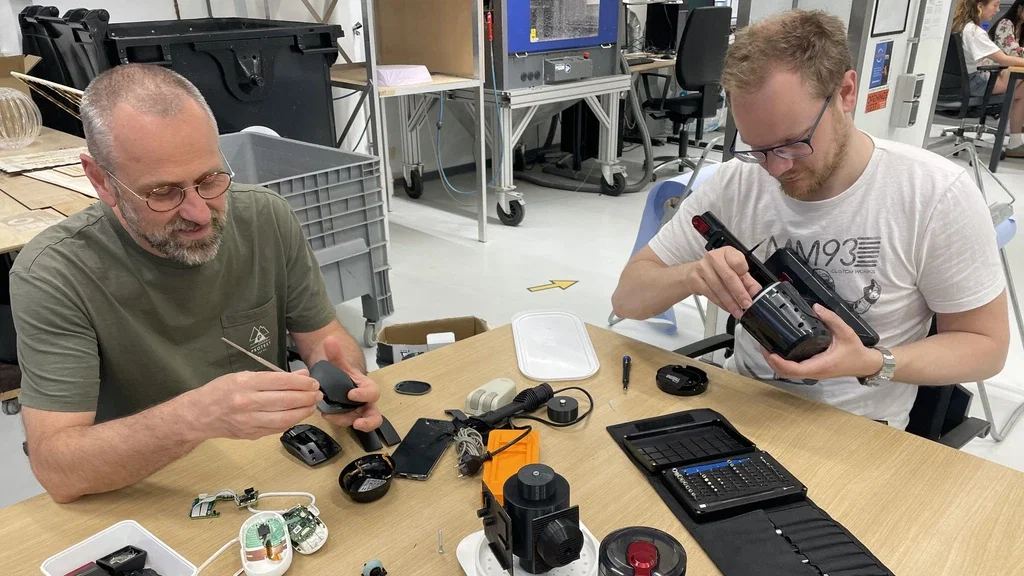
The products covered by the obligation to repair currently include:
- washing machines and washer-dryers
- dishwashers
- refrigerators
- electronic displays
- welding equipment
- servers and data storage products
- mobile phones, cordless phones and tablets
- tumble dryers
- e-bikes and e-scooters batteries (from 18 February 2027)
- local space heaters
This is also mentioned in the directive, and directives are legislative texts. The price may not be set so high as to deter repair.
In practice how does that work?
Let’s say they have replacement phone batteries that cost them $20 to make, does the EU limit their profit margins? Do they investigate to make sure it isn’t excessive? If the company tries to sell it for $50, is that too much?