Auf YouTube findest du die angesagtesten Videos und Tracks. Außerdem kannst du eigene Inhalte hochladen und mit Freunden oder gleich der ganzen Welt teilen.
Mao’s framework of contradictions is key. In classical Marxism, contradictions are hierarchical and shifting. During the 1950s, the primary contradiction for China was indeed imperialism (led by the United States).
But by the 1960s, especially after the Sino-Soviet Split, Mao argued that the Soviet Union itself had become a hegemonic power competing for influence over other socialist and postcolonial countries. China faced concrete security pressures from the USSR, including border tensions that culminated in clashes like the Sino-Soviet border conflict of 1969.
From this viewpoint, opposing Soviet “revisionism” was part of preventing the degeneration of socialism into a new ruling-class system.
Well, one of the reasons for the split was because the USSR started persuing a policy of “peaceful coexistence” with the West, and the PRC feared becoming diplomatically isolated. Ironically, the PRC sort of came around on “peaceful coexistence” eventually and then the Soviets were the odd one out. But I can imagine people in China asking, “How on earth did the USSR come to the conclusion that undermining communist hardliners was more important than opposing global capital?”
Imo a lot of it was driven by internal power struggles on both sides. Divisive rhetoric became a way to demonstrate loyalty to the faction in power, and things just kept escalating. It was all a big mess.
They came to that conclusion when they saw how they were encircled by the Soviet Union and countries allied with the Soviet Union while the US is an ocean away. The only friendly country that bordered China was Pakistan.

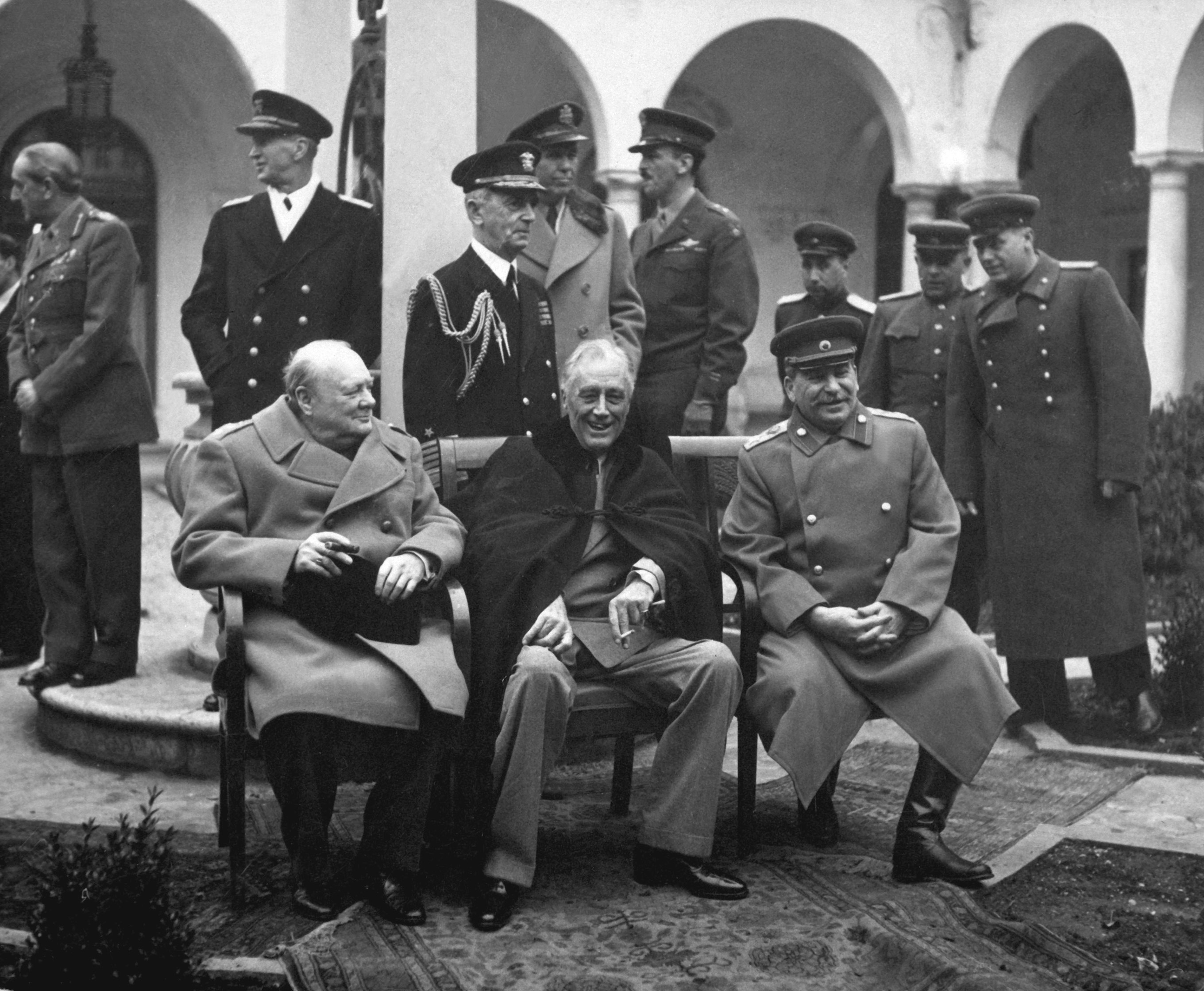
Playing China against the Soviet Union was one of the key strategic achievements of the NATO bloc.
I don’t understand how they managed to come to the conclusion that undermining the USSR was more important than opposing global capital
Mao’s framework of contradictions is key. In classical Marxism, contradictions are hierarchical and shifting. During the 1950s, the primary contradiction for China was indeed imperialism (led by the United States).
But by the 1960s, especially after the Sino-Soviet Split, Mao argued that the Soviet Union itself had become a hegemonic power competing for influence over other socialist and postcolonial countries. China faced concrete security pressures from the USSR, including border tensions that culminated in clashes like the Sino-Soviet border conflict of 1969.
From this viewpoint, opposing Soviet “revisionism” was part of preventing the degeneration of socialism into a new ruling-class system.
Well, one of the reasons for the split was because the USSR started persuing a policy of “peaceful coexistence” with the West, and the PRC feared becoming diplomatically isolated. Ironically, the PRC sort of came around on “peaceful coexistence” eventually and then the Soviets were the odd one out. But I can imagine people in China asking, “How on earth did the USSR come to the conclusion that undermining communist hardliners was more important than opposing global capital?”
Imo a lot of it was driven by internal power struggles on both sides. Divisive rhetoric became a way to demonstrate loyalty to the faction in power, and things just kept escalating. It was all a big mess.
deleted by creator
Makes sense
They came to that conclusion when they saw how they were encircled by the Soviet Union and countries allied with the Soviet Union while the US is an ocean away. The only friendly country that bordered China was Pakistan.