- 374 Posts
- 215 Comments








 42·9 months ago
Unclear, but in any case I think this was more of a sign they were spooked by the pushback. People showed up to protest right away, and planned to stay at the protests until he was freed
Remember that we the people have power


As an update to this, they now have fully released her following a judge ordering her immediate release! Here she is speaking to supporters

 30·9 months ago
The administration is also folding in many, though not all, of these cases. Just with 10x less media coverage
For instance, a week ago ICE released Columbia pro-Palestine activist Mohsen Mahdawi from detention after a judge ordered immediate release. Here’s a photo of him leaving

Or when Maine’s governor stood up to Trump’s anti-trans attacks, he at first suspended federal school lunch funding to the state. But a month later he backed down
The Trump administration has agreed not to freeze funds to Maine schools, a win for a state that was targeted by the president over its support of transgender rights.
https://www.theguardian.com/us-news/2025/may/02/trump-maine-funding-freeze
This is not to say what they’re trying to do is not dangerous. This is to say they are weaker than they want us all to think
EDIT: also just now, Rümeysa Öztürk has been released from ICE detention after a judge ordered her immediate release earlier today. Here she is speaking to supporters
Maybe, maybe not. Don’t assume it’s a given that they will ignore it. This is not a defense of this administration. This is a reminder against always having the hopelessness that this administration wants us all to have. They want us to assume all fights are hopeless so we don’t fight them
While they have very notably been ignoring the order on Abrego Garcia, they have followed some of the court order in other related cases like this
For instance, a week ago ICE released Columbia pro-Palestine activist Mohsen Mahdawi from detention after a judge ordered immediate release. Here’s a photo of him leaving
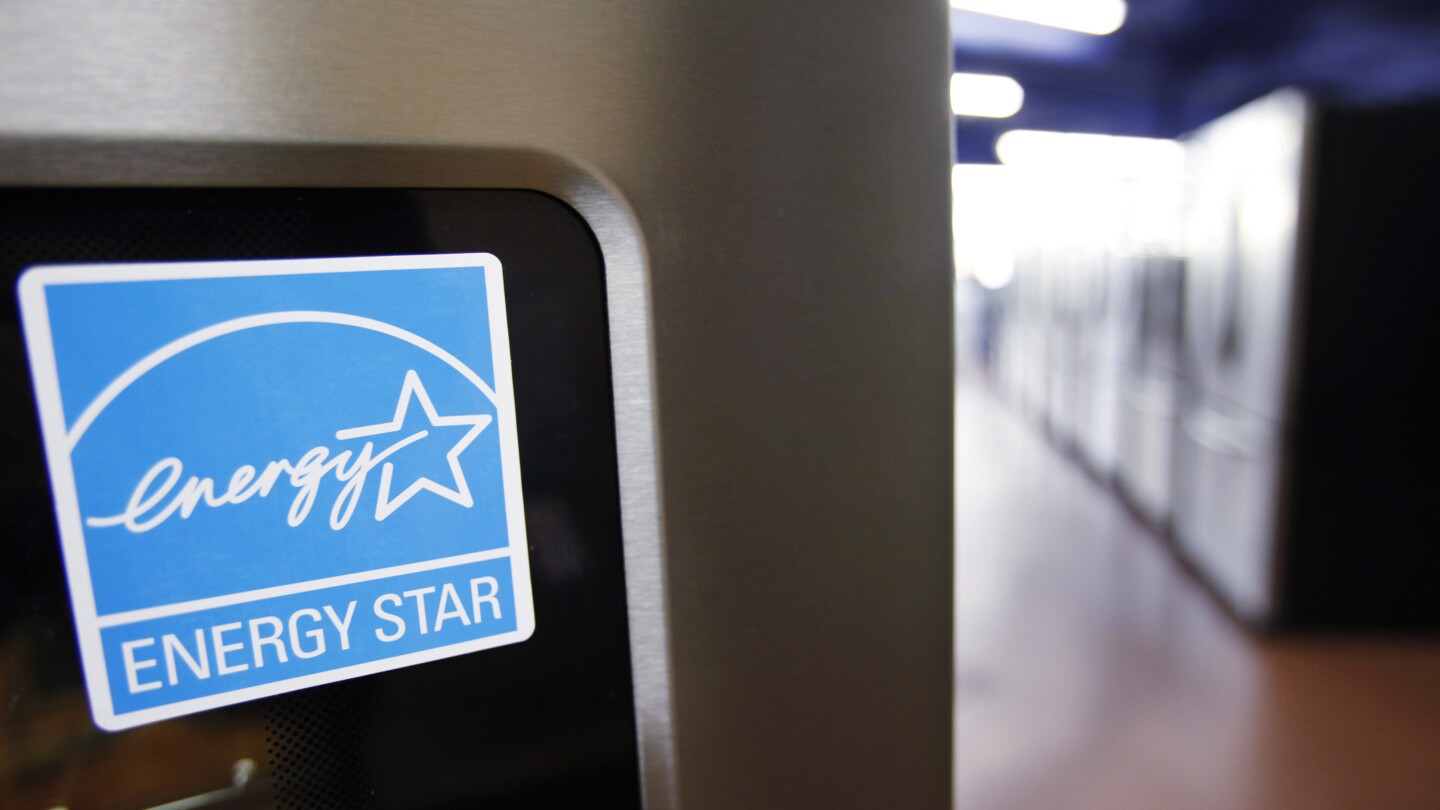
Interestingly enough, appliance makers actually have historically pushed against this
The companies urged the administration to preserve the program, which certifies appliances as meeting high efficiency standards, after CNN first reported on Tuesday that the Environmental Protection Agency planned to eliminate the Energy Star program as part of a massive restructuring.
[…]
The program is so popular that appliance companies and trade associations, including General Electric and the American Gas Association, have historically lobbied for the program to be preserved every time there is a proposed challenge to its budget or its function. Trump proposed eliminating the program in a 2017 budget and drew immediate widespread industry condemnation at the time.
https://www.notus.org/energy/epa-energy-star-program-appliances-pushback


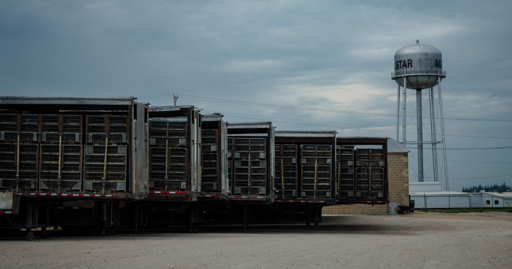
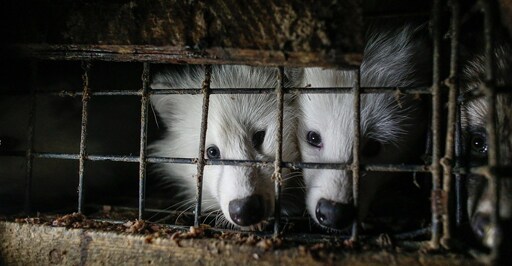
Ah wasn’t 100% sure if that was a metaphor for the chicken’s brutal living conditions, or about the human slave labor in the egg industry

Don’t worry, they’ve already got the prison slave labor part down
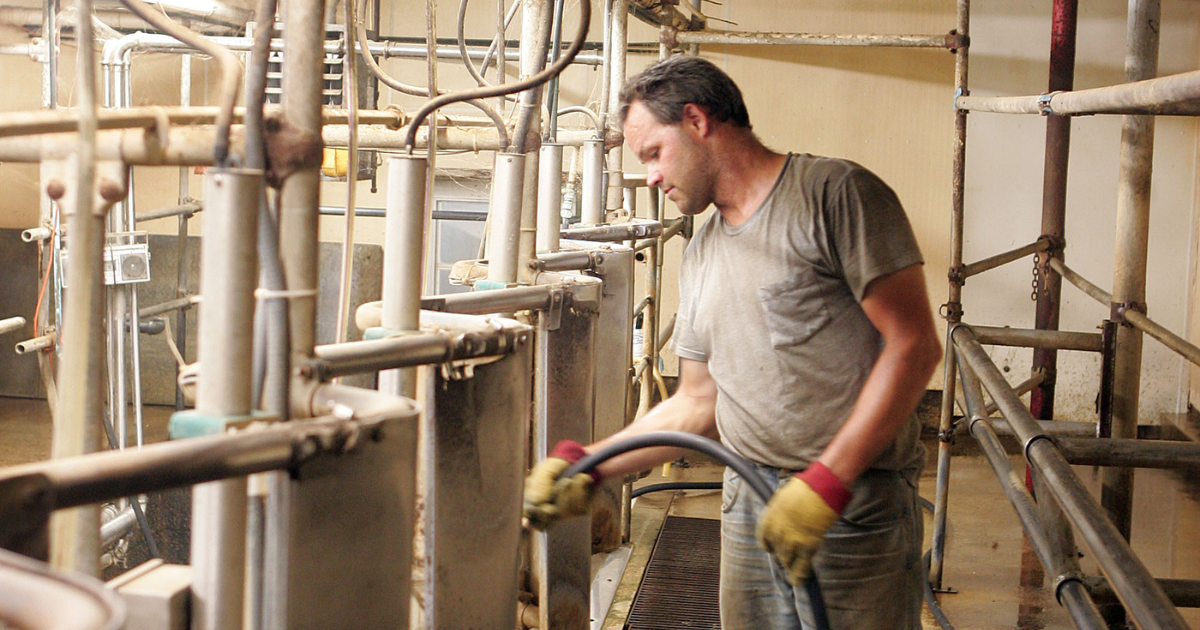
At the O.B Ellis Unit in Huntsville, Texas, prisoners manage an egg farm, farrow pigs and even maintain a parakeet aviary. Colorado Correctional Industries is a major producer of buffalo mozzarella — cheese produced by inmates there has made its way to popular chains like Papa John’s, Pizza Hut and Domino’s.
[…]
In 2021, Arizona Correctional Industries leased 92 workers to Hickman Family Farms, the largest egg company in the Southwest. According to ACI, Hickman Family Farms had struggled to retain workers willing to labor in what the company describes as admittedly “dirty” conditions. Thanks to this partnership, which generates over $7 million dollars a year in revenue for the state prison system, Hickman now has ample access to “motivated workers that can be relied upon to be at work on time” and who receive no paid vacation or sick leave.


Oh hmm, maybe I had just heard people misuse it in the past? Had only heard it being used as a synonym for possibility in the context of “every eventuality” but other times meaning something definitive. Looking it up I see that it’s supposed to just always refer to possibility
It is not an eventuality, it is a possibility that he tries
Thinking that everything is 100% certain to happen is how we get ourselves too paralyzed to act. We can reduce the odds of many things from happening by showing up and building pressure
Join protests, boycotts, strikes, etc.
EDIT: or maybe I apparently have misunderstood how the word eventuality is supposed to be a synonymy of possibility. My bad on that one
Lopez-Gomez was reportedly released Thursday evening after protestors gathered outside of the Leon County jail, where he was being held.
In good news, they were released after public backlash and protest. Protesting can work, boycotts can work, and so on. Don’t let anyone think we can’t act because we the people can
They want to take our rights, but we are not powerless to stop them. Fight back!
Not that pausing this is anything less than insane, but note that SCOTUS has recently given administrative stays and then ruled against Trump after that. Nothing is a given either way
The fight isn’t over until it’s over. Don’t read this news and give in the doom and cynicism Trump wants us all to have. We can still fight back, and people are still fighting. 5 million were on the street on Saturday. There’s another nationwide 50501 protest on April 19th
 3·10 months ago
This article wasn’t about the US, but in terms of the US:
The margins dipped, but they didn’t flip to voting for Trump overall
18-29 year-olds voted Harris+4 overall and Young women in particular voted Harris+18
Headlines are often misleading about changes within group voting patterns
Check my post history*. I post about them quite frequently here on Lemmy. They still get less attention here even. The sorting algorithms like active boost posts with more engagement which photos of protests often don’t get until they are truly enormous
For instance, here was one large protest a month ago in the Iowa Statehouse that I had posted about

So social media posts about protests often get lost in the sea of bad news and news outlets are downplaying them severely. That’s why few people were hearing about them
*From my instance or some other one. From your instance, it seems a lot of my posts about the protests haven’t federated :(
 02·10 months ago
Trans lesbians exist
 5·10 months ago
There are also Tesla protests growing in Europe (and Canada, and more)! Musk’s influence threatens more than just the US, so we must all step up. The Tesla Takedown protest movement started in the US, but it’s now becoming international. Here’s a map of the latest ones in Europe

Here’s the site with that info along with a guide on how to plan one around you if you don’t see one
There have been tons of protests and there have been some pretty widespread ones outside of Tesla this weekend. The media is just hardly covering it making them seem way smaller than they are
Here’s a map of recent Tesla Takedown protests alone

https://actionnetwork.org/event_campaigns/teslatakedown
Here’s just a handful of photos from yesterday


Most people within the US aren’t aware these protests are happening either. There are also broader nationwide protests planned on April 5th as part of the 50501 movement. This will be the 4th nationwide 50501 protest
You could use ` to make that URL an inline code block and thus not clickable. `like this` to look
like this
Animal agriculture is a massive contributor to some of the largest problems in the world
It’s at least ~15-17% of climate emissions and is enough to make us miss climate targets on its own even if fossil fuels are immediately stopped
~73% of the world’s antibiotics go to animal agriculture, leading to antibiotic resistance diseases. It’s directly attributed to at least 50% of all zoonetic diseases since 1940
It’s one the most dangerous and exploitative industries to work in. There are multiple human right watch reports on working conditions in just the US (“When We’re Dead and Buried, Our Bones Will Keep Hurting” and Blood, Sweat, and Fear). And this is not limited to the US, here’s just a handful of reporting from The Guardian Revealed: exploitation of meat plant workers rife across UK and Europe, ‘The whole system is rotten’: life inside Europe’s meat industry
The rates of factory farming globally are far higher than most people think. It’s around 74% of all globally farmed land animals, and 90% of total global farmed land and marine animals. It’s around ~99% for the US. The number of animals slaughtered each year is immense at ~80 billion land animals / year, >100 total animals per year. The sheer number of individuals who go through that makes the level of suffering hard to parallel
And that’s just some of the harm the industry does, but I don’t want to ramble too long without talking about how to go about solving this
There is more we as individuals can do here than we can for 90% of other issues. With the laws of supply and demand, simply reducing our collective demand makes the industry smaller. That’s doable at the induvidal level: simply reducing (and ideally eliminating) our individual meat, dairy, etc. consumption can have a real impact. This is more achievable than people think. For instance, Germany has seen a 12% decline in per capita meat consumption over the last ~10 years. We don’t need wait for any institutions to make changes before that can work by doing collective action
There are also some systemic changes we can push for in the near-medium future to help make that happen faster. For instance, just making plant-based foods the default tends to increase plant-based consumption by several orders of magnitude. NYC hospitals implemented plant-based defaults and made their plant-based consumption rate go up to 51% of meals and reduced the average cost of a meal by 59 cents. If that sounds interesting to anyone there are campaigns with real successes to get more institutions and companies to implement those. There groups like the Better Food Foundation, Greener By Default, the Plant Based Treaty is running a Related Campaign, No Milk Tax which has gotten hundreds of chains to drop their plant milk up charge, among others