Vox is a general interest news site for the 21st century. Its mission: to help everyone understand our complicated world, so that we can all help shape it. In text, video and audio, our reporters explain politics, policy, world affairs, technology, culture, science, the climate crisis, money, health and everything else that matters. Our goal is to ensure that everyone, regardless of income or status, can access accurate information that empowers them.


So, there is merit to this claim that auto manufacturers were involved. Interesting to read about the financial history as well… pre-1920s bankruptcies… does feel like a failure of government to see the value here. Interesting read, ty!
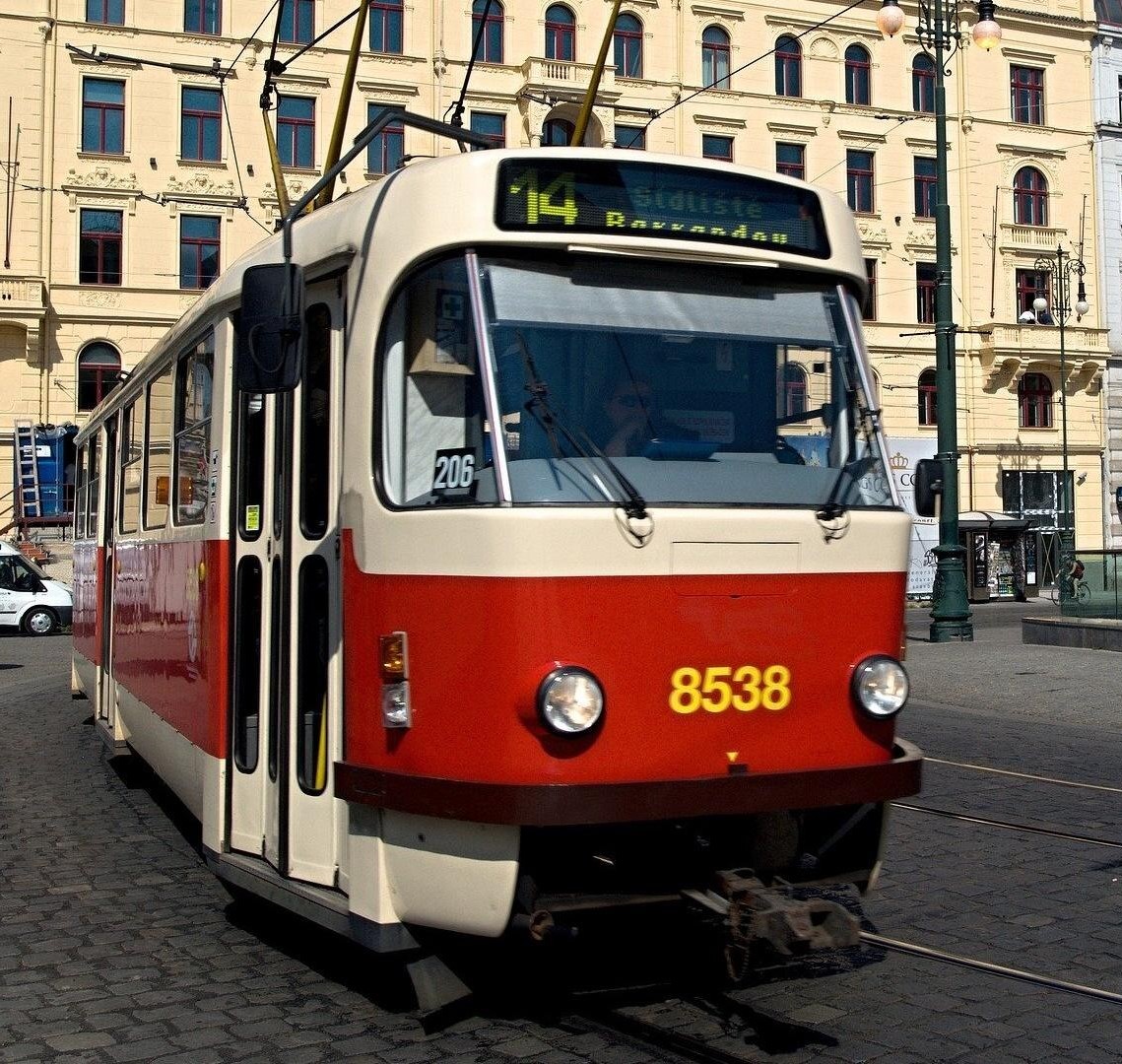
One way of looking at it, the streetcar systems became so important to city life that the fares were tightly regulated as utilities, which was fine until a major disruptor in form of the automobile came along.
But then the streetcar companies underpriced fares were a public expectation that they couldn’t persuade government to change quickly enough to adapt.
Kind of like in modern times, COVID was a major disruptor that accelerated work-from-home trends, and away from the downtown office towers that our light rail was built to serve. So many of our public transit systems, both light rail and bus, are both struggling.